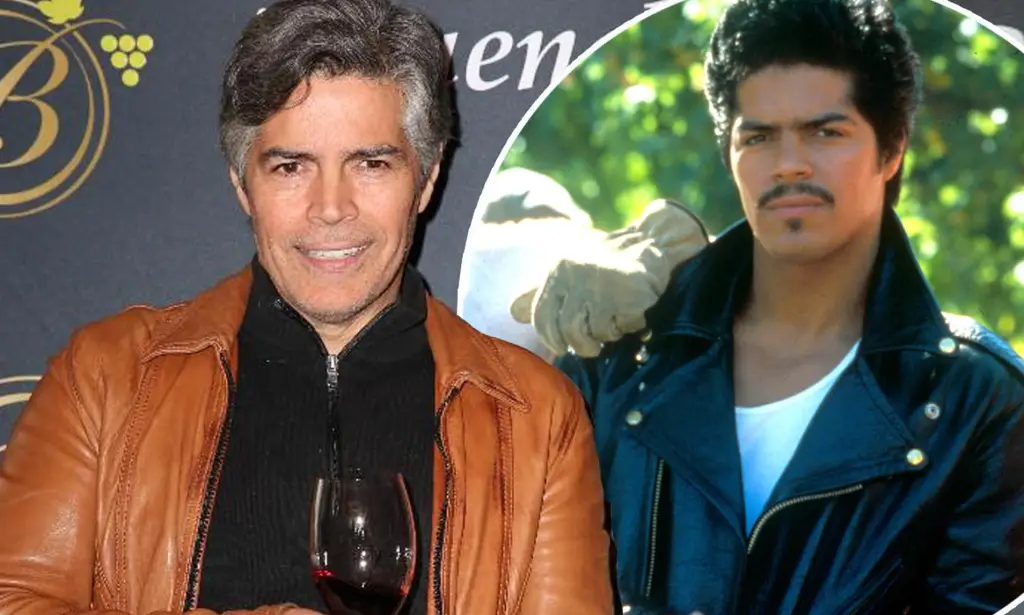
Esai Morales is one of those actors whose face you instantly recognize, even if his name doesn’t always dominate headlines. For decades, he has been a steady, compelling presence in film and television, carving out a career built on talent, intelligence, and consistency rather than hype. In an industry known for fast rises and faster falls, Morales has done something far more impressive—he has endured.
What sets Esai Morales apart is his ability to move seamlessly between genres, mediums, and character types. From gritty dramas to blockbuster franchises, he brings depth and credibility to every role. He doesn’t chase trends; instead, he adapts, evolves, and stays relevant on his own terms.
This article takes a deep, expert-level look at Esai Morales’s life, career, acting philosophy, and cultural impact, exploring how he became one of Hollywood’s most respected long-term performers.
Early Life and Cultural Roots
Esai Morales Jr. was born in Brooklyn, New York, to Puerto Rican parents. Growing up in a culturally rich but challenging environment, he was exposed early to both artistic expression and social realities. That mix would later shape the kind of roles he gravitated toward—characters grounded in truth rather than fantasy.
From a young age, Morales showed an interest in storytelling and performance. Unlike many actors who stumble into the profession, his path felt intentional. He understood the power of representation early on, especially as a Latino actor navigating an industry that historically offered limited and stereotypical roles.
His upbringing instilled a strong sense of identity and responsibility. Morales didn’t just want to act; he wanted to say something with his work. That mindset became a defining feature of his career and continues to influence the choices he makes decades later.
Breakthrough Roles and Early Recognition

Esai Morales breakout moment came in the 1987 film La Bamba, where he portrayed Bob Morales, the troubled half-brother of musician Ritchie Valens. The performance was raw, intense, and unforgettable. It immediately signaled that Morales was not interested in safe or shallow roles.
What made that performance stand out was its emotional honesty. Morales didn’t glamorize the character’s flaws; he leaned into them. Critics and audiences alike took notice, and Hollywood suddenly saw him as an actor capable of carrying serious dramatic weight.
Following La Bamba, Morales began landing roles that further showcased his range. He avoided being boxed into one type of character, moving between drama, action, and socially conscious storytelling. Those early decisions laid the foundation for a career defined by versatility rather than typecasting.
Television Success and Career Reinvention
While many actors struggle to transition between film and television, Esai Morales embraced TV at a time when it was evolving into a prestige medium. His role as Lt. Tony Rodriguez in NYPD Blue marked a major turning point in his career.
On NYPD Blue, Morales brought intelligence and restraint to a role that could have easily become one-dimensional. His performance added emotional complexity to the series and earned him critical respect. More importantly, it introduced him to a new generation of viewers.
Over the years, Esai Morales continued to reinvent himself through television. Shows like Caprica, Ozark, and How to Get Away with Murder allowed him to play layered, morally complex characters. Instead of fading with age, he became more relevant—proof that adaptability is one of the most valuable skills in entertainment.
Film Career and Selective Choices
Esai Morales film career is defined not by quantity, but by intention. He has consistently chosen roles that challenge him or add something meaningful to the story. Whether appearing in independent films or large-scale productions, he brings the same level of commitment.
One of the most significant milestones in his later film career was joining the Mission: Impossible franchise. Esai Morales Stepping into a global blockbuster series is no small feat, especially for an actor whose reputation was built on grounded drama. Morales handled the transition effortlessly, proving his versatility on an international stage.
His filmography reflects a deep understanding of longevity. Morales doesn’t chase every opportunity; he waits for the right ones. That patience has allowed him to maintain credibility while still reaching massive audiences.
Acting Style and Professional Reputation
Esai Morales is often described by peers as disciplined, thoughtful, and intensely prepared. His acting style leans toward realism—subtle expressions, controlled dialogue delivery, and emotional restraint. He trusts the audience to pick up on nuance rather than spelling everything out.
What truly separates Morales from many of his contemporaries is his respect for the craft. He approaches acting as a collaborative art, not a vehicle for ego. Directors value his reliability, while co-stars appreciate his professionalism and generosity on set.
From an expert standpoint, this reputation is gold. Talent may open doors, but consistency keeps them open. Esai Morales has built a career where his name signals quality, which is why he continues to be cast in high-level projects decades after his debut.
Representation Advocacy and Cultural Impact
Beyond acting, Esai Morales has been a vocal advocate for better representation of Latino artists in Hollywood. He has consistently spoken out against stereotypes and pushed for more authentic storytelling. His activism is not performative; it’s rooted in lived experience.
Morales understands that visibility alone is not enough. The quality of representation matters. By choosing complex roles and supporting meaningful projects, he has helped shift perceptions and expand opportunities for future generations of actors.
Culturally, his impact is significant. He represents a model of success that doesn’t rely on assimilation or compromise. Instead, he shows that staying true to one’s identity can be a strength rather than a limitation.
Legacy and What Lies Ahead
Esai Morales’s legacy is still being written, which is perhaps the most impressive part of his story. Few actors remain relevant across four decades without reinventing themselves beyond recognition. Morales has managed to evolve while staying authentic.
As streaming platforms and global productions continue to expand, his experience and adaptability make him more valuable than ever. He occupies a rare space where credibility meets accessibility, appealing to both critics and mainstream audiences.
In the long run, Esai Morales will likely be remembered not just for individual roles, but for the standard he set. A career built on substance, resilience, and integrity is rare in Hollywood—and that’s exactly what makes his journey worth studying.