
Beech Tree is one of the most iconic and widespread hardwood trees found in temperate regions across Europe, North America, and parts of Asia. Known for its majestic stature, smooth gray bark, and dense foliage, the has fascinated botanists, foresters, and nature enthusiasts for centuries. Beyond its striking appearance, the beech tree plays a critical role in forest ecosystems, providing habitat, stabilizing soil, and contributing to biodiversity.
This article delves into the biology of the its ecological importance, practical uses, cultivation techniques, and how it influences human culture and forestry. By understanding this remarkable species, we can appreciate its value both in the wild and in managed landscapes.
Biology and Characteristics of Beech Trees
Beech Tree belong to the genus Fagus, which includes several species such as the European beech (Fagus sylvatica) and the American beech (Fagus grandifolia). These deciduous trees are known for their tall, straight trunks, smooth gray bark, and oval leaves with serrated edges. Beech trees can grow to impressive heights, often reaching 80–100 feet, and live for several centuries under favorable conditions.
The leaves of the turn a golden or coppery hue in autumn, creating stunning landscapes in forests and parks. Its flowers are small and inconspicuous, but the tree produces edible nuts known as beechnuts, which are an important food source for wildlife. The smooth bark, dense canopy, and extensive root system distinguish the from other hardwoods, making it easily identifiable.
Beech trees are slow-growing but resilient. They thrive in well-drained, fertile soil and prefer temperate climates with moderate rainfall. Their ability to adapt to different soil types and light conditions allows them to form extensive forests, often dominating the understory and shaping the forest structure.
Ecological Importance of Beech Trees
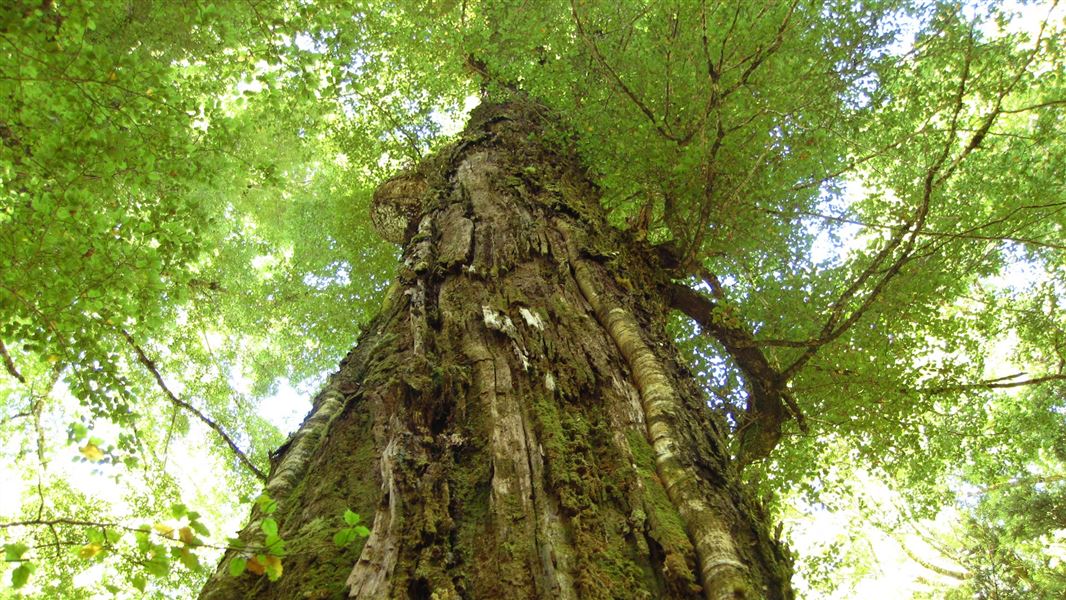
Beech Tree play a vital role in forest ecosystems. Their dense canopies create shaded areas, which influence the growth of understory plants by moderating sunlight and soil temperature. This shading effect helps maintain soil moisture, reduces erosion, and supports a diverse range of plant species beneath the canopy.
Beechnuts, the seeds of the are a key food source for birds, squirrels, deer, and other wildlife. By providing nutrition for numerous species, beech trees help sustain local biodiversity. Additionally, the decaying leaves contribute to soil fertility, enriching the forest floor with organic matter that benefits other plants and microorganisms.
The roots of beech are extensive and help stabilize soil, preventing landslides and erosion on slopes and in forested areas. Their presence supports watershed health by reducing sediment runoff and maintaining groundwater quality. The ecological contributions of trees make them keystone species in temperate forests, with effects that ripple across the ecosystem.
Uses of Beech Trees
Beyond their ecological importance, beech tree have been utilized by humans for centuries. One of the primary uses is timber. Beech wood is dense, strong, and durable, making it ideal for furniture, flooring, cabinetry, and wooden utensils. Its fine grain and smooth texture also make it suitable for carving and craft projects.
In addition to timber, the bark and leaves of beech have traditional uses in medicine and crafts. Historically, beech bark was used in herbal remedies to treat minor wounds and skin conditions. Beechnuts, while slightly bitter, were sometimes roasted and used as food or livestock feed in certain cultures.
Beech trees also have ornamental value. Planted in parks, gardens, and along avenues, they provide aesthetic beauty with their tall stature, smooth bark, and seasonal leaf changes. Urban planners and landscapers often choose for their ability to provide shade, reduce noise pollution, and enhance the natural environment.
Cultivation and Growth of Beech Tree
Growing beech trees requires understanding their environmental needs and growth habits. Beech trees prefer well-drained, fertile soil and locations with moderate rainfall. They are relatively shade-tolerant as seedlings but thrive best in areas with adequate sunlight once established.
Propagation is usually done through seeds, known as beechnuts, which should be collected in autumn and stored in a cool, moist environment until planting. Young require protection from strong winds, grazing animals, and extreme weather conditions during their initial years.
Maintenance of beech trees includes monitoring for pests and diseases, such as beech bark disease or fungal infections, which can damage both bark and wood. Pruning is recommended to maintain structural strength and remove any dead or damaged branches. With proper care, beech trees can live for hundreds of years, providing ecological, aesthetic, and practical benefits for generations.
Beech Trees in Culture and Human History
Beech trees have held cultural significance throughout history. In European folklore, they were often associated with wisdom, knowledge, and protection. Ancient civilizations used beech wood for writing tablets, furniture, and ceremonial objects.
The longevity and size of have also inspired art, literature, and poetry. They are frequently depicted in paintings and literary works as symbols of endurance, stability, and natural beauty. In many cultures, planting a beech tree was seen as a gesture of hope, continuity, and connection to nature.
Today, beech continue to influence human culture by shaping landscapes, inspiring eco-tourism, and serving as a reminder of the intricate relationship between humans and forests.
Conservation and Environmental Significance
Conserving beech trees is critical for maintaining healthy forest ecosystems. Climate change, deforestation, and urban development pose significant threats to natural beech populations. Protecting these trees ensures continued biodiversity, soil stability, and ecosystem balance.
Forest management practices often include the preservation of mature, reforestation projects, and the monitoring of pests and diseases. Educating communities about the ecological and cultural importance of beech trees also contributes to their long-term conservation.
By understanding and protecting, humans can maintain the environmental services they provide, from supporting wildlife to enriching soil and maintaining climate resilience in forests.
Conclusion
Beech trees are more than just beautiful additions to forests and landscapes—they are ecological keystones, cultural symbols, and practical resources for humans. Their smooth bark, dense foliage, and nutrient-rich seeds play vital roles in sustaining forest ecosystems, supporting biodiversity, and enriching soil health.
Humans have long benefited from beech trees, from using their wood and seeds to incorporating them into medicine, crafts, and ornamental landscapes. Cultivating, protecting, and respecting these majestic trees ensures that future generations can continue to enjoy their ecological, aesthetic, and cultural contributions.
The beech tree reminds us of the intricate connections between nature and human life, highlighting the importance of conservation, sustainable use, and appreciation of the natural world. Whether in dense forests, public parks, or private gardens, the presence of a brings beauty, resilience, and life to its surroundings.