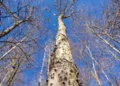

Beech Tree Bark is one of the most recognizable trees in temperate forests across Europe, North America, and parts of Asia. Among its many fascinating characteristics, the bark of the beech tree stands out for its smooth texture, striking appearance, and practical uses. Known for both its ecological and cultural significance, beech tree bark has been studied and utilized for centuries by botanists, herbalists, and woodworkers alike.
Beyond being a simple protective layer for the tree, beech bark plays a crucial role in the life of the tree itself. It serves as a shield against environmental threats, regulates water and nutrient flow, and provides a habitat for a variety of organisms. Additionally, humans have historically found ways to utilize beech bark for medicinal, craft, and decorative purposes.
This article explores the anatomy of beech tree bark, its ecological importance, uses in various fields, and potential benefits for humans, highlighting why it remains an important natural resource.
Anatomy and Structure of Beech Tree Bark
The Beech Tree Bark is smooth, thin, and light gray, giving the tree a distinctive, elegant appearance. Unlike many other tree species that have rough, fissured bark, beech bark is often almost porcelain-like, making it easy to identify even from a distance.
Structurally, bark consists of several layers, each serving a critical function. The outermost layer, called the periderm, protects the tree from physical damage, disease, and extreme weather. Beneath this protective layer is the phloem, which transports nutrients and sugars produced by photosynthesis from the leaves to the rest of the tree. This system ensures the tree’s survival and growth over decades or even centuries.
Beech tree bark also contains natural chemical compounds that deter pests and pathogens. While it is relatively thin, it is highly resilient, capable of repairing itself after minor injuries. Its smooth texture reduces the buildup of mosses and lichens, which can sometimes damage bark in other tree species.
Ecological Role of Beech Bark

Beech Tree Bark plays an essential ecological role in forest ecosystems. Its smooth surface provides a habitat for mosses, fungi, and various invertebrates, contributing to biodiversity. These organisms not only rely on the bark for shelter but also participate in nutrient cycling, benefiting the surrounding forest floor.
Additionally, Beech Tree Bark helps maintain microclimates around the tree. By retaining moisture and regulating temperature, it supports the growth of epiphytic plants and creates a stable environment for insects and small animals. Birds often forage on the bark, feeding on insects that inhabit it. In this way, the bark indirectly sustains the food web in its ecosystem.
Beech forests are known for their dense canopy and shade, and the Beech Tree Bark plays a subtle yet crucial role in ensuring the health of these forests. It protects the tree from fungal infections and physical damage, which can otherwise disrupt forest ecology. By sustaining the tree’s health, the bark indirectly supports countless other species that depend on the beech tree for food, shelter, and habitat.
Uses of Beech Bark by Humans
Humans have long recognized the practical and medicinal uses of beech tree bark. Historically, indigenous peoples and early herbalists harvested beech bark for its potential health benefits. Certain compounds in the bark were used in traditional remedies to treat skin conditions, minor wounds, and digestive issues.
In addition to medicinal uses, beech bark has been employed in crafts and artisanal work. Its smooth texture makes it ideal for carving or decorative applications, such as creating ornamental panels, writing surfaces, or even bark-based containers. In some regions, strips of beech bark were used for insulation or as protective wraps.
Modern applications also explore the chemical properties of Beech Tree Bark Extracts from the bark are being studied for potential antioxidant and antimicrobial properties, which could contribute to natural health products or supplements. While not as widely used today as in historical contexts, the bark remains a valuable natural resource for traditional crafts, research, and educational purposes.
Benefits of Beech Bark
Beech Tree Bark offers several benefits for both the tree and humans. For the tree, it provides protection against environmental stressors such as frost, sunscald, and insect infestations. Its smooth texture and chemical composition reduce the likelihood of fungal infections and prevent physical damage from minor abrasions.
For humans, Beech Tree Bark provides medicinal, educational, and aesthetic value. Traditional remedies highlight its role in treating skin irritations and digestive discomfort, while modern research investigates bioactive compounds with potential health benefits. Beech bark also serves as an excellent example in botanical education, illustrating the structure and function of bark in hardwood trees.
Furthermore, its unique appearance makes it popular in landscaping and ornamental horticulture. Gardeners and forest enthusiasts often select beech trees not just for their ecological benefits but also for the visual appeal of their smooth, silvery-gray bark.
Environmental Considerations
When interacting with Beech Tree Bark in natural or managed settings, it is important to consider sustainability. Overharvesting or damaging the bark can harm the tree and disrupt forest ecosystems. Responsible collection methods, such as using fallen bark or limiting the removal to small sections, help ensure the tree’s health and longevity.
Beech Tree Bark also face threats from climate change, pests, and diseases. Protecting the bark and the tree as a whole is essential for preserving their ecological role. Forest management practices often include monitoring the health of bark, as visible changes can indicate underlying problems like disease or infestation.
By maintaining the integrity of beech bark, humans contribute to the preservation of biodiversity, forest health, and the long-term availability of this natural resource for medicinal and cultural purposes.
Conclusion
Beech tree bark is far more than a protective covering—it is a vital component of the tree’s structure, a contributor to ecological balance, and a resource for humans. Its smooth texture, unique chemical composition, and ecological significance make it a remarkable subject of study and appreciation.
From providing habitat for insects and fungi to supporting human use in medicine, crafts, and education, Beech Tree Bark demonstrates how a natural element can serve multiple purposes across species and ecosystems. Understanding its structure, benefits, and proper care not only enhances our appreciation of the beech tree but also encourages sustainable practices that ensure its continued contribution to nature and human life.
Beech tree bark remains a testament to the intricate connections between plants, animals, and humans, highlighting the importance of conserving forests and valuing the natural resources they provide.