

Cat Weight Chart Explained If you own a cat, one of the most important aspects of their overall health that often gets overlooked is their weight. Many cat owners assume that as long as their pet is eating well and active, there’s nothing to worry about. However, maintaining a healthy weight is essential for your cat’s long-term well-being.
A cat weight chart is one of the easiest tools you can use to monitor whether your feline companion is underweight, overweight, or maintaining a healthy body condition. Understanding where your cat falls within the recommended weight range can help you prevent a variety of health problems before they become serious.
This guide will walk you through everything you need to know about Cat Weight Chart Explained including ideal weight ranges, growth stages, factors that influence weight, and how to keep your cat in optimal condition.
What Is a Cat Weight Chart and Why Is It Important
A Cat Weight Chart Explained is a reference guide that helps pet owners determine whether their cat’s body weight falls within a healthy range. These charts usually take into account the cat’s age, breed, and overall body structure.
Monitoring your cat’s weight regularly allows you to detect early signs of health issues. Sudden weight gain or loss can indicate underlying medical problems that may require veterinary attention.
Using a weight chart also helps ensure that your Cat Weight Chart Explained maintains a balanced diet. Overfeeding or underfeeding can lead to long-term health complications such as obesity or malnutrition.
Ideal Weight Ranges for Different Cat Breeds
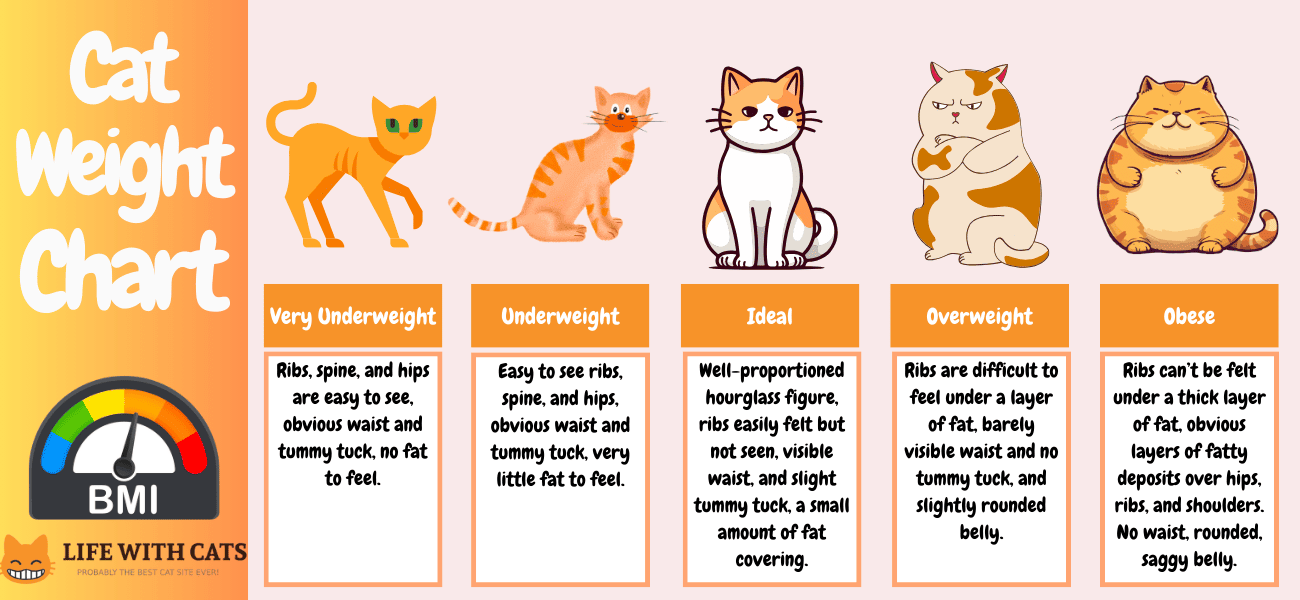
Not all cats have the same ideal weight. Larger breeds naturally weigh more than smaller ones, and this variation is completely normal.
For example, smaller breeds may weigh between 5 to 10 pounds, while larger breeds can weigh anywhere from 12 to 20 pounds. Understanding your Cat Weight Chart Explained breed-specific weight range can help you set realistic expectations.
Mixed-breed cats may fall somewhere in between, making it important to evaluate their body condition in addition to their weight.
Growth Cat Weight Chart Explained Stages and Weight Development
A Cat Weight Chart Explained weight changes significantly throughout its life. Kittens grow rapidly during their first year, which means regular monitoring is essential.
During adulthood, weight tends to stabilize as long as the cat maintains a healthy lifestyle. Providing proper nutrition during this stage helps prevent unnecessary weight gain.
Senior Cat Weight Chart Explained may experience weight loss due to reduced appetite or health issues. Keeping track of these changes is important for maintaining their overall health.
Factors That Influence Cat Weight Chart Explained
Several factors can influence your Cat Weight Chart Explained including diet, activity level, and genetics. Indoor cats, for instance, may gain weight more easily due to limited physical activity.
The type of food you provide also plays a major role. High-calorie diets can contribute to weight gain if not properly managed.
Age and medical conditions may also affect weight. Hormonal imbalances or metabolic disorders can lead to changes in body mass.
How to Use a Cat Weight Chart Effectively
Using a Cat Weight Chart Explained is simple, but consistency is key. Regularly weighing your cat allows you to track any changes over time.
Comparing your cat’s weight to the recommended range helps you identify potential issues early.
Consulting a veterinarian can provide additional insights and recommendations tailored to your cat’s specific needs.
Tips for Maintaining a Healthy Weight
Providing a balanced diet is one of the best ways to keep your Cat Weight Chart Explained at a healthy weight. Portion control is essential to prevent overfeeding.
Encouraging physical activity through playtime can also help maintain fitness levels.
Regular veterinary check-ups ensure that your cat’s weight remains within a safe range.
Final Thoughts
A Cat Weight Chart Explained is a valuable tool for monitoring your pet’s health and ensuring they maintain an ideal body condition.
By understanding your cat’s weight range and tracking changes over time, you can prevent potential health issues.
Maintaining a healthy weight contributes to a longer, happier life for your feline companion.