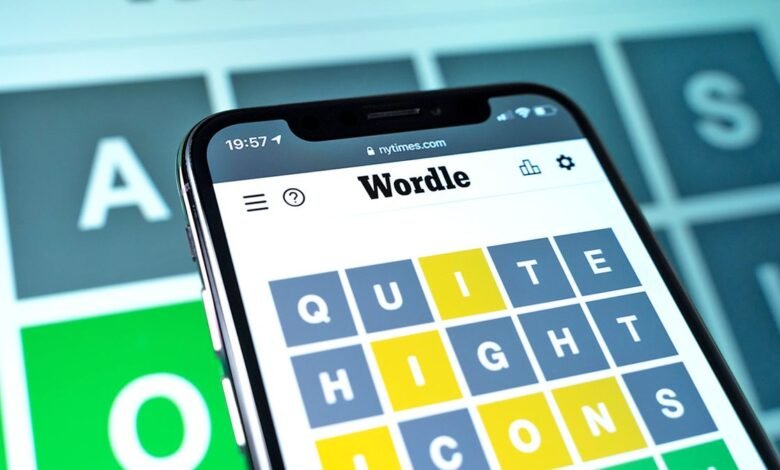
NYT Wordle has become a favorite among puzzle enthusiasts around the globe. Wordle, originally created by Josh Wardle, was later acquired by The New York Times, becoming known as Wordle. Its simple yet addictive gameplay challenges players to guess a five-letter word in six attempts, combining logic, vocabulary, and strategy.
The charm of nyt wordle lies in its accessibility and daily puzzle format. Each day presents a new challenge, encouraging players to return consistently. Unlike other word games, the rules are straightforward: guess the word, use the feedback, and solve the puzzle efficiently.
Fans searching for nyt are often looking for strategies, tips, or insights into solving challenging words, making it not only a fun pastime but also a mental exercise that sharpens cognitive skills.
How to Play NYT Wordle
Playing nyt wordle is simple but requires strategic thinking. Players have six attempts to guess a five-letter word. Each guess provides feedback: letters in the correct position are highlighted in green, letters present but in the wrong position appear in yellow, and letters not in the word are gray.
This feedback mechanism is crucial for developing strategy. For example, starting with a word containing common vowels and consonants helps narrow down possibilities. Paying attention to patterns and previously eliminated letters improves efficiency.
Understanding the mechanics of nyt wordle allows players to enjoy the game fully while improving their problem-solving and linguistic abilities, which is why this daily challenge has gained such a loyal following.
Tips for Beginners

Beginners looking to excel at NYT Wordle can benefit from several strategies. First, start with a word that contains common vowels such as A, E, and O, and frequent consonants like R, S, and T. This approach helps identify the correct letters early in the game.
Another tip is to avoid repeating letters in the first few guesses unless necessary. Each attempt provides crucial feedback, and maximizing information from early guesses can simplify the puzzle.
Finally, keeping track of previous guesses and their feedback helps eliminate unlikely letters and focus on probable solutions. These beginner-friendly strategies make nyt wordle more enjoyable and less frustrating for new players.
Advanced Strategies for Experienced Players
For those who regularly play nyt wordle, advanced strategies can enhance performance. One approach is to prioritize less common letters in later guesses to identify rare components of the solution.
Experienced players also analyze letter frequency, word patterns, and position probabilities to optimize guesses. Additionally, predicting potential words based on known linguistic structures can save attempts and increase success rates.
Mastering these advanced techniques in nyt wordle turns the daily puzzle into a stimulating mental challenge, engaging players who enjoy optimizing strategies and problem-solving efficiently.
Common Challenges in NYT Wordle
Despite its simplicity, nyt wordle presents unique challenges. Some words feature uncommon letters or rare vowel-consonant combinations, which can be difficult for beginners and even seasoned players.
Another challenge arises from repeated letters. Words like “LEVEL” or “SWEET” require careful observation and strategic guessing, testing players’ attention to detail.
Understanding these challenges is part of what makes nyt wordle so engaging. Players develop critical thinking and pattern recognition skills as they tackle each daily puzzle, improving over time.
Benefits of Playing Wordle
Engaging with nyt wordle has numerous cognitive benefits. Daily play enhances vocabulary, reinforces spelling skills, and strengthens problem-solving abilities. The game also encourages logical reasoning and pattern recognition.
Additionally, nyt offers a sense of accomplishment, motivating players to improve their streaks and solve daily puzzles consistently. This daily engagement promotes mental sharpness and provides a fun, low-stress activity.
For educators and parents, nyt wordle can be a valuable tool to teach language skills and critical thinking in an enjoyable format, blending learning and entertainment effectively.
Community and Social Engagement
The popularity of nyt wordle has fostered a strong online community. Players share their results, strategies, and solutions on platforms like Twitter, Reddit, and Facebook.
These discussions often involve sharing creative starting words, hints for challenging puzzles, or celebrating streaks. Engaging with the community enhances the overall nyt wordle experience and allows players to connect with others who share similar interests.
Community engagement also motivates players to attempt more challenging words and refine their strategies, keeping the game fresh and enjoyable.
Accessibility and Daily Updates
One reason for the widespread appeal of wordle is its accessibility. The game is available on The New York Times website and mobile apps, making it easy to play anywhere. Daily updates ensure that players have a new puzzle every day, keeping engagement high.
The simplicity of the interface and immediate feedback make nyt wordle user-friendly for all ages, whether played casually or competitively. This consistent daily puzzle format contributes to the game’s viral popularity.
Conclusion Why NYT Wordle Remains Popular
In conclusion, nyt wordle combines simplicity, strategy, and daily engagement to create a compelling word puzzle experience. Its accessibility, community interaction, and cognitive benefits make it a favorite among players worldwide.
Whether you are a beginner learning the ropes or an experienced solver applying advanced strategies, wordle offers challenges that are both fun and intellectually stimulating. The daily puzzles encourage continuous play, improve vocabulary, and sharpen critical thinking skills.
With its blend of entertainment, mental exercise, and community involvement, the nyt wordle phenomenon shows no signs of slowing down, making it an essential part of daily puzzle culture and word game enthusiasts’ routines.